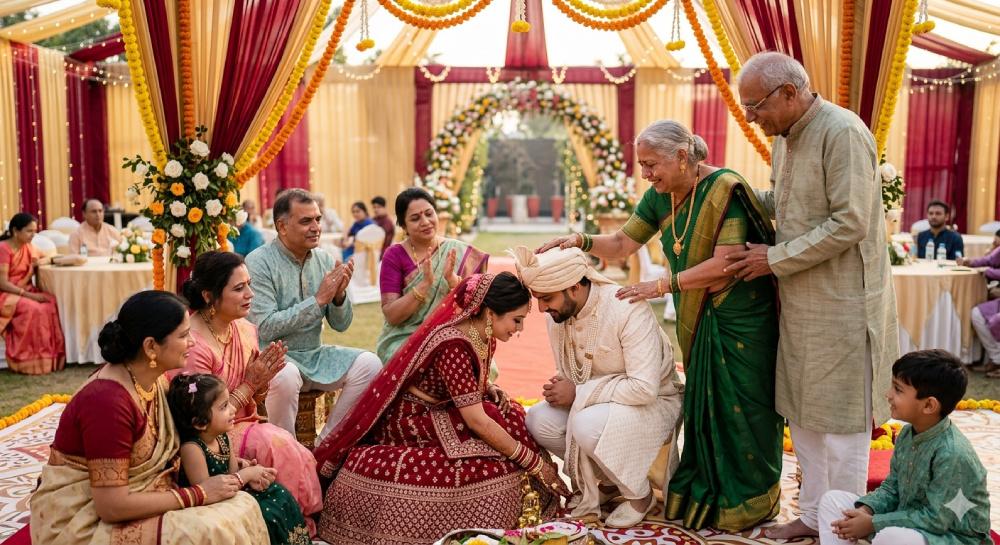
Family values quietly shape how a marriage works long before the wedding happens. They influence how people treat each other, how they handle conflict, and what they expect from a relationship. You can see it in small habits, like how someone speaks during an argument or how they show care without being asked.
When two people come from families that value respect, honesty, and responsibility, they carry those habits into their marriage. It doesn’t mean they’ll agree on everything, but it gives them a shared starting point. That makes a big difference when life gets complicated.
The way someone grows up often shows in how they behave as a partner. A person raised in a home where people listen to each other will likely do the same in marriage. On the other hand, someone who grew up around constant conflict may struggle with calm communication at first.
Picture a couple dealing with a disagreement about expenses. One partner suggests sitting down with numbers and finding a middle ground. The other gets defensive and avoids the conversation. These reactions don’t come out of nowhere. They’re learned patterns, shaped over years.
Family values don’t lock people into fixed behavior, but they do set a default. Changing that takes awareness and effort.
Respect isn’t just a big idea. It shows up in tone, timing, and small decisions. Saying “I’ll be late” instead of disappearing for hours. Listening without interrupting. Not bringing up old mistakes during a new argument.
Families that emphasize respect tend to raise individuals who understand these basics. In marriage, this creates a safer space where both partners feel valued. Without respect, even small issues turn into larger conflicts because the foundation feels shaky.
Every marriage faces disagreements. What matters is how couples deal with them. Family values often decide whether conflict becomes destructive or productive.
Some people grow up seeing problems solved through calm discussion. Others see shouting or silence. These patterns repeat unless someone actively changes them. A couple that knows how to disagree without hurting each other builds stronger trust over time.
Think of it like learning to drive. If you learn in a calm, structured way, you handle traffic better. If you learned in chaos, you might panic under pressure. Conflict in marriage works in a similar way.
Family values also shape expectations around roles, responsibilities, and priorities. One person may believe in shared financial planning, while the other expects one partner to take full control. These differences don’t always cause problems, but they need clear discussion.
When both partners come from similar value systems, they often align faster on decisions like managing money, caring for parents, or raising children. That alignment reduces friction and creates a sense of stability.
But even when values differ, awareness helps. Talking openly about expectations early on prevents confusion later.
Marriage doesn’t exist in isolation. Families stay involved, whether directly or indirectly. The values both partners bring from their families affect how they handle this involvement.
Some couples maintain healthy boundaries while staying connected. Others struggle because they either let too much interference in or shut family out completely. Balance comes from understanding what each partner is comfortable with and respecting that limit.
A person who has seen balanced family involvement growing up is more likely to handle this well. It feels natural to stay connected without losing independence.
Marriage isn’t just about carrying old values forward. It’s also about creating new ones as a couple. Over time, partners develop their own way of doing things, influenced by but not limited to their upbringing.
A couple might decide that no matter how busy they are, they’ll eat dinner together at least a few times a week. Or they might agree to never go to bed angry, even if it means staying up a little longer to talk things out. These choices become part of their shared value system.
Strong marriages don’t depend on perfect alignment from the start. They grow when both partners stay open, learn from each other, and build a set of values that works for them.